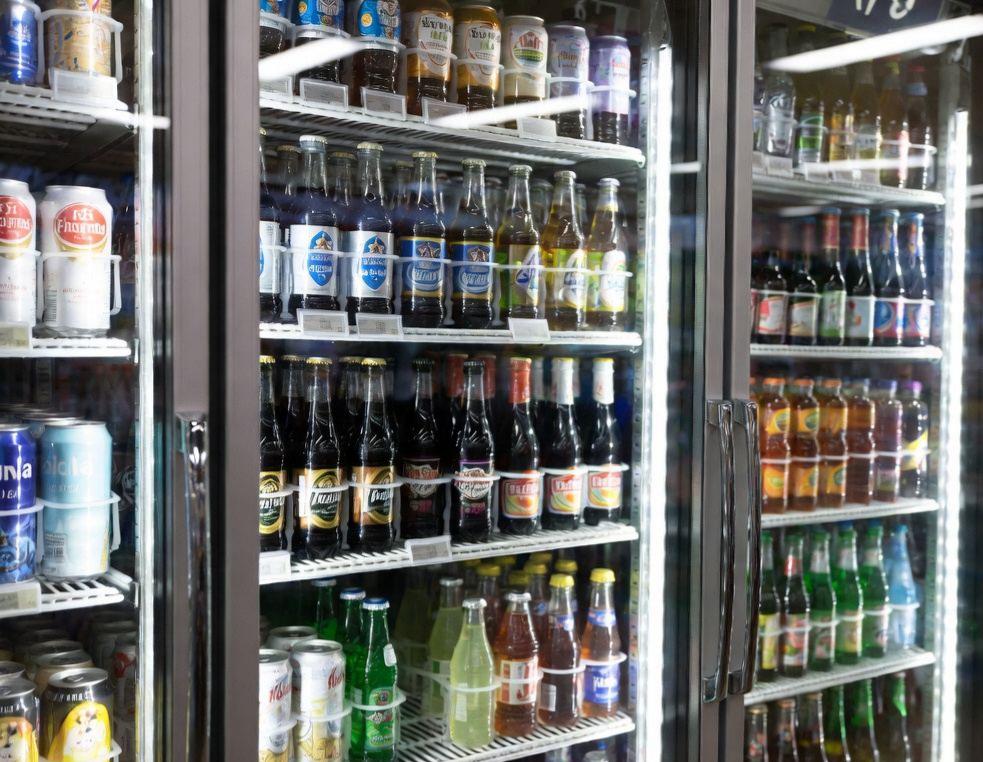
Keeping the build strength and a clear view of business cooling units is key for good power savings and item display. For companies using strong glass options, like those from Rider Climax, the lasting quality of the gear relies a lot on set upkeep steps. This holds true whether you handle one machine or a big shop setup. Knowing the tech needs for cleaning makes sure the special parts of these doors—such as Low-E coatings—stay working through their full planned time.
Essential Maintenance for Commercial Cooler Glass Doors
The main aim of steady upkeep is to keep the heat shield of the cooling machine. Buildup of dirt, ice, and bits can hurt the door’s moving parts. As a result, this leads to higher power use and possible harm to stored goods.
The Importance of a Monthly Cleaning Schedule
No matter the setup conditions in a building, a once-a-month cleaning round is advised for all commercial cooler glass doors. Regular attention stops the pile-up of dirt that might block the door from fitting snug against the edge. If a door does not shut right, the cooling setup has to push harder to hold inside cold levels. These levels can go from -30°C to 10°C based on the use.

Protecting Critical Components
A full cleaning plan targets a few main spots that affect looks and work:
Magnetic Gaskets: These edges are crucial to stop air leaks. Bits on the touch sides can make spaces, which cause ice buildup and power waste.
Bezels and Handles: Keeping clear or steel handles clean gives a pro look and safe reach for people.
Interior and Exterior Glass: Sharp view matters most for showing goods, especially in units with high light pass rates.
Approved Materials for Glass and Plastic Care
Choosing the right cleaning stuff is the biggest step to stop unplanned harm during washing. Many new doors use touchy stuff, like Low-E layers, print designs, and special plastic spacers.
The Necessity of Ammonia-Free Cleaners
When cleaning the inside of a vertical freezer glass door, you must use only cleaners without ammonia. Products with ammonia can do big harm to plastic parts in sealed glass setups, such as PVC edges or acrylic spacers. Coming into contact with ammonia might cause:
- Surface weakening and brittleness in plastics.
- Discoloration or yellowing of transparent components.
- Cracking and loss of flexibility in seals and gaskets.
Good choices are basic vinegar mixes for glass or soft soaps thinned in water. These remove prints and leftover marks well. At the same time, they do not hurt the chemical balance of the door’s build.
Avoiding Abrasive Tools and Harsh Chemicals
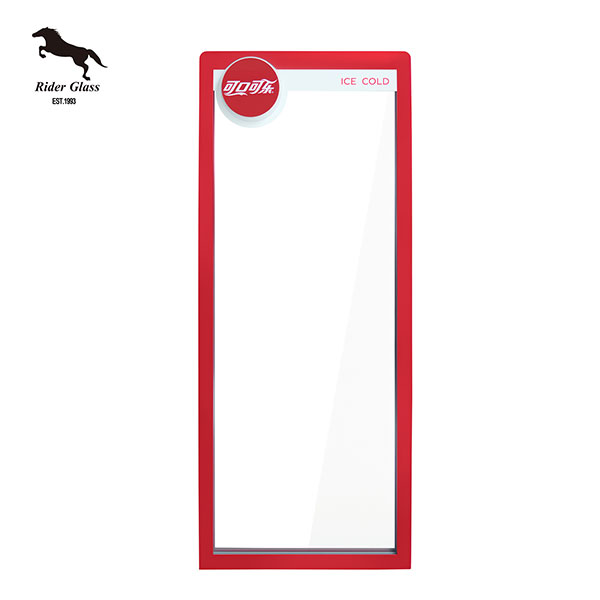
The special features of a commercial beverage cooler glass door, like printed logos, can get scratched easily. Rough cloths, scrub pads, and heavy grease removers must be kept away. Rather, a soft, no-scratch microfiber cloth is the usual pick in the field. It keeps a clean shine while guarding the glass and its covers.
Specialized Cleaning Procedures for Frames and Gaskets
Upkeeping the moving sections of the door needs a light hand and close watch to not mess up the machine’s fit or power parts.
Frame Maintenance
Frames need a soft cloth wipe to clear dust and item bits. If the machine has built-in heat parts to stop water buildup, watch out so that damp does not get into power links or transformers.
Gasket and Seal Preservation
Clean gaskets with great care. Wipe the creases and touch areas to clear bits that could block a firm fit. Do not pull or stretch the gasket stuff, since this can cause lasting damage. Also, never aim high-pressure water at the edges or hinge spots. Such action can push damp into the sealed layers of the glass or harm the inner argon gas fill.
Identifying Damage Caused by Improper Cleaning
Building leads should check doors often for clues that wrong cleaning methods have been tried. Spotting these early can stop bigger fix costs or the need to swap the whole door.
Cloudy Glass or Discoloration: Often a sign of chemical etching from harsh solvents.
Brittle Gaskets: Indicates that the material has lost its plasticizers due to contact with incompatible chemicals like bleach or ammonia.
Moisture Between Panes: This suggests the primary or secondary seals have been compromised, allowing the inert gas to escape and moisture to enter the hollow space.
Tacky Surfaces: A sign that the plastic or painted surfaces are beginning to break down chemically.
Professional Standard: Monthly Cleaning Checklist
To make sure long-run work and strength, Rider Climax suggests this step-by-step way each month:
Glass Inspection: Clean both interior and exterior surfaces with ammonia-free solutions.
Seal Verification: Gently wipe gaskets and ensure they compress fully against the frame without gaps.
Hardware Check: Clean handles and hinges, ensuring all moving parts operate smoothly and the 90° hold-open feature functions correctly.
Debris Removal: Clear all rails and closing surfaces of trapped particles or food remains.
Final Motion Test: Open and close the door several times to confirm the automatic closing tension is appropriate and the seal is airtight.
Call to Action: Optimize Your Facility with Rider Climax
As a world top name with more than 30 years in the glass field, Rider Climax gives strong, deep-worked glass solutions made for the business cooling market. Our making sites use new CNC cutting and hollow shape tech to check every door hits the top world rules, like CE and SGCC approvals. If you need power-saving Low-E glass or custom printed marks for your show units, we bring steady ODM and OEM help to aid your company’s aims. Get in touch with us now to talk about how our special freezer and cooler glass doors can boost your daily work and item show.
FAQ
Can industrial degreasers be used on stainless steel handles?
While stainless steel is durable, many handles are part of a larger assembly involving plastic or glass gaskets. It is safer to use mild detergents to avoid overspray that could damage adjacent sensitive materials.
What should I do if the door feels “stuck” after cleaning?
Check the rails and pulleys for any leftover cleaning residue that might have become tacky. Re-wipe the tracks with a damp, clean cloth and ensure the door is properly aligned on its hinges.
Why is argon gas mentioned in cleaning guides?
Argon gas is used inside the insulated glass to provide superior thermal protection. Proper cleaning ensures the seals remain intact so the gas does not leak out, which would significantly reduce the door’s energy efficiency.