Introduction
Commercial refrigeration builders face increasing demands to construct cabinets. These units must showcase merchandise clearly. At the same time, they need to consume less electricity. A beverage display with a low glass door, a glass fridge door, or a glass door cold room system acts as more than a simple viewing window. It functions as a vital piece of the overall thermal plan. At Rider Climax, we utilize Low-E coated glass as a primary energy-saving material. We apply it to cooler, freezer, preservation, and display glass door setups. This is especially true for spaces where extended running hours and constant usage push total operating expenses higher.
How Does Low-E Glass Reflect Infrared Heat?
Infrared heat remains unseen to the human eye. Yet, it stands as a major factor why a refrigeration unit wastes chilling energy. Inside a glass fridge, heated ambient air outside the unit pushes thermal energy toward the colder interior space. A Low-E coating bounces a significant portion of that infrared warmth away. It stops the heat from traveling freely across the transparent barrier.
This specific action proves vital for a display glass door. Builders must manage two conflicting requirements carefully. The panel needs to stay visually transparent. This allows buyers to view drinks, dairy goods, frozen meals, or fresh produce effortlessly. Simultaneously, the barrier must lower thermal transfer. This ensures the cooling compressor does not run harder than needed. A correctly chosen beverage display lowe glass door aids in maintaining this delicate balance. It lets helpful visible light enter while bouncing back unwanted infrared heat.
How Does Low-E Reduce Radiative Heat Transfer?
Radiative heat transfer occurs when hotter objects push thermal energy toward cooler objects. Inside a glass door cold room, the store floor, overhead lamps, and nearby air form a heated external zone. The chilled zone exists inside the unit or the storage space. The clear surface rests directly between these two distinct areas.
Low-E coated glass decreases the emissivity of the transparent surface. Therefore, a smaller amount of radiant warmth travels across the barrier. This action directly supports an energy-efficient cold room. The cooling machinery handles a much smaller thermal burden when the entrances remain shut. Furthermore, it enhances the overall energy-efficient cold room design. The transparent panel is no longer seen as a fragile spot. Instead, it acts as a highly practical insulation part. The Low-E glass bounces back infrared warmth. At the same time, it permits visible light to travel through. This dual action strongly supports thermal protection and power conservation.
What Door Structures Fit Cooler and Freezer Cabinets?
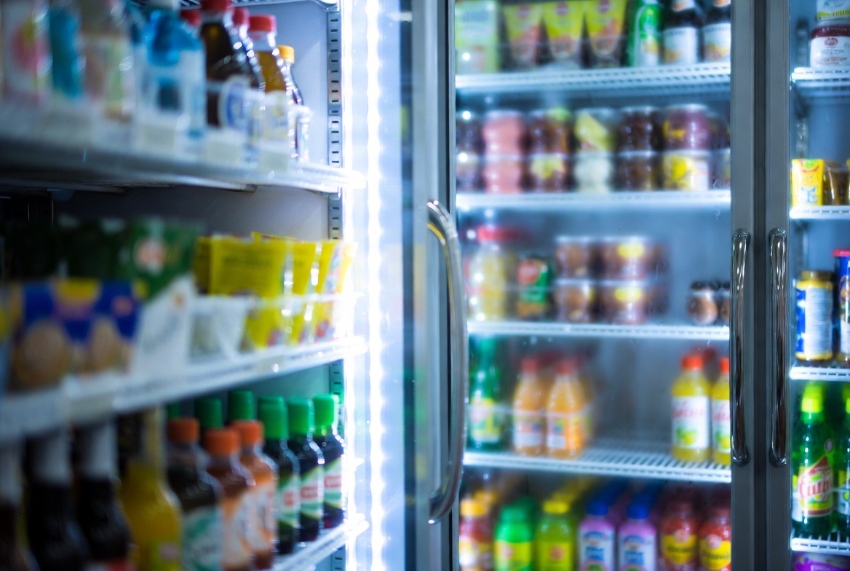
One single glass variety cannot handle every single refrigeration task. A drink cooler, a preservation glass fridge, a freezer island, and glass doors for cold rooms all function under varying temperature conditions. They also have distinct visual requirements. The physical build must align perfectly with the specific cabinet job.
| Product Type | Recommended Glass Structure | Key Technical Details | Suitable Use |
| Beverage cabinet glass door | 2-layer or 3-layer Low-E insulated tempered glass, with tempered Low-E glass used internally | Automatic closing function, optional 90° hold-open, high visible light transmittance, custom size and logo options | Beverage display lowe glass door, glass fridge, retail cooler |
| Chest freezer glass door | 4mm tempered Low-E glass | Sliding design available in vertical or horizontal directions, designed for low-temperature freezer and preservation applications, project-specific temperature range should be confirmed before quotation | Freezers glass door, frozen food cabinet |
| Walk-in and reach-in glass door | Double or triple tempered insulated glass with argon gas filling | 90° opening, hold-open function, reversible left/right design, multiple frame and handle options | Glass door cold room, glass doors for cold rooms |
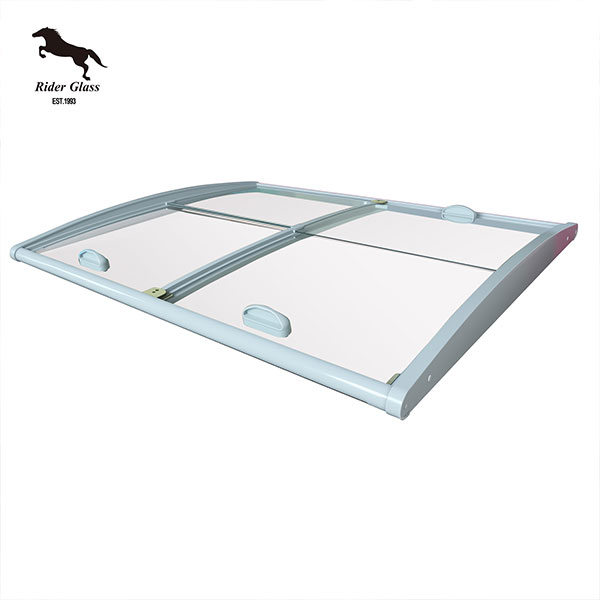
| Display glass door | Double-layer tempered glass structure | Unequal arc-shaped design, transparent handle, smooth pulley operation, custom dimensions and logo options | Display glass door for commercial refrigeration cabinets |
| High-traffic refrigeration glass door | Low-E insulated glass with matched frame, hinge, seal, and closing structure | A 500,000 open-and-close cycle benchmark can be specified for demanding retail cabinet projects | Glass fridge, display glass door, energy efficient cold room design |
The double or triple tempered glass featuring argon gas filling. This applies to walk-in and reach-in cooler or freezer entrances. The 4mm tempered Low-E glass for chest freezer panels. This information supplies builders with a solid foundation. They can easily pair the physical build to the required temperature, the specific cabinet sort, and the visual demands.
Why Does This Matter for B2B Manufacturers?
Builders do not merely purchase glass panels. They secure manufacturing consistency, unit compatibility, and dependable long-term functioning. A beverage display lowe glass door must match the surrounding frame exactly. It needs to seal tightly. It must shut consistently. Furthermore, it should keep goods entirely visible to buyers. A glass fridge door needs to endure constant daily operation inside convenience shops and large grocery stores. A freezer’s glass door must withstand extreme temperature shifts. At the same time, it must guarantee secure daily operation.
Conclusion
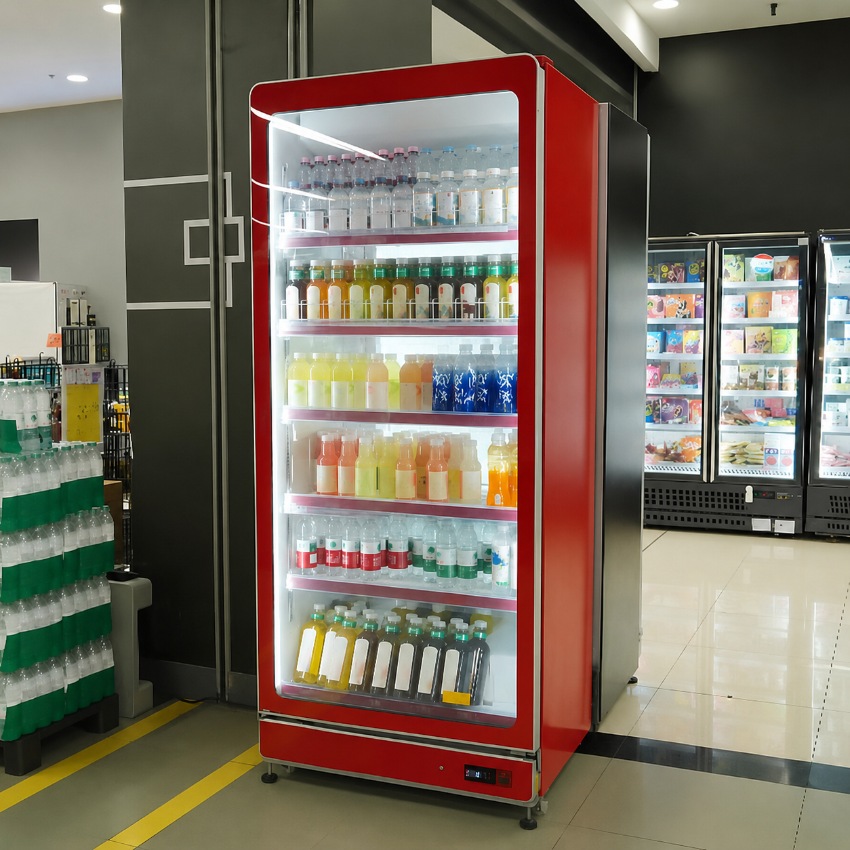
Low-E coated glass cuts down power waste. It achieves this by bouncing back infrared warmth and lowering radiative thermal movement. For commercial refrigeration builders, this specific trait turns the display glass door into an active piece of the power management system. It is no longer just a clear viewing part. When builders combine it with double or triple insulated layers, argon-filled gaps, precise dimensions, and sturdy frames, the results improve. A 500,000-cycle performance rating also helps. Together, these elements allow Low-E glass to support a highly energy efficient cold room. They also ensure a much more robust energy-efficient cold room design.
For tailored cooler, freezer, glass fridge, and cold room projects, contact Rider Climax with your cabinet type, drawings, dimensions, temperature range, glass structure, frame style, and branding needs. We can recommend a suitable Low-E glass door solution and support quotation, customization, packing, and production communication.
FAQ
What glass door cold room structure should manufacturers choose?
A glass door cold room typically requires double or triple-insulated tempered glass. This glass should feature an argon-filled gap. The ultimate selection relies on the specific storage temperature, the panel dimensions, the daily user traffic, the frame style, and the visual display needs.
Are glass doors for cold rooms suitable for retail display?
Glass doors for cold rooms work very well for retail showcasing. They succeed when they utilize Low-E coated insulated glass, precise sealing methods, and sturdy frame profiles. A broad viewing area is also necessary. This setup permits clear merchandise viewing while actively managing thermal waste.
How much does a freezer’s glass door cost?
A freezers glass door price varies based on several factors. These include the glass thickness, the choice of a double or triple build, the Low-E coating, the overall dimensions, and the frame style. The handle sort, the opening style, the total order volume, and custom logo additions also matter. Builders must supply detailed cabinet blueprints and specific temperature needs before receiving an accurate price quote.
Does Rider Climax provide after-sales service for display glass door projects?
Yes. For display glass door projects, purchasers need to verify technical blueprints, packing methods, and shipping timelines. They should also confirm spare part availability and communication steps before starting mass production. Having precise project details significantly lowers post-sale risks. It also enhances the long-term functioning of the cabinet.