

Introduction
In retail refrigeration, freezer door selection directly affects energy efficiency, product visibility, and long-term operational stability. Tempered glass systems and acrylic-based freezer doors represent two widely used solutions, each optimized for different retail priorities. Understanding their real performance differences helps operators make better decisions for supermarket and cold display applications.
As a global cooler glass door supplier, we engineer and manufacture commercial refrigeration solutions, including glass display doors for supermarkets, beverage coolers, and cold storage equipment. Our focus is to ensure stable performance under frequent door cycles, temperature fluctuations, and continuous commercial use of Rider Climax.
What defines tempered glass freezer doors in retail use?
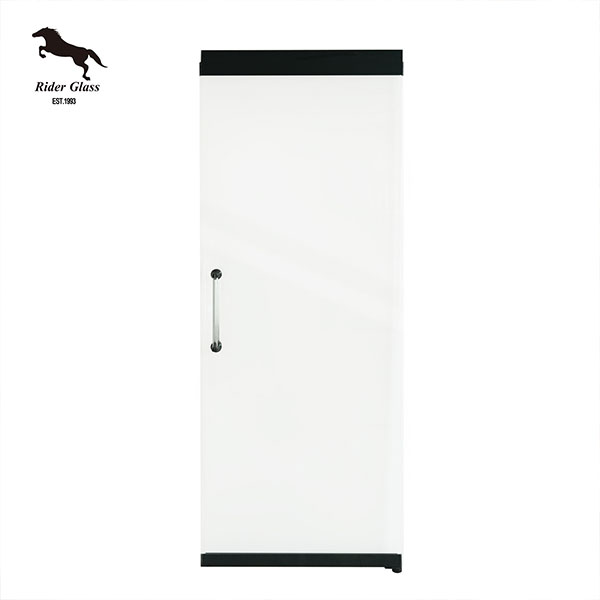
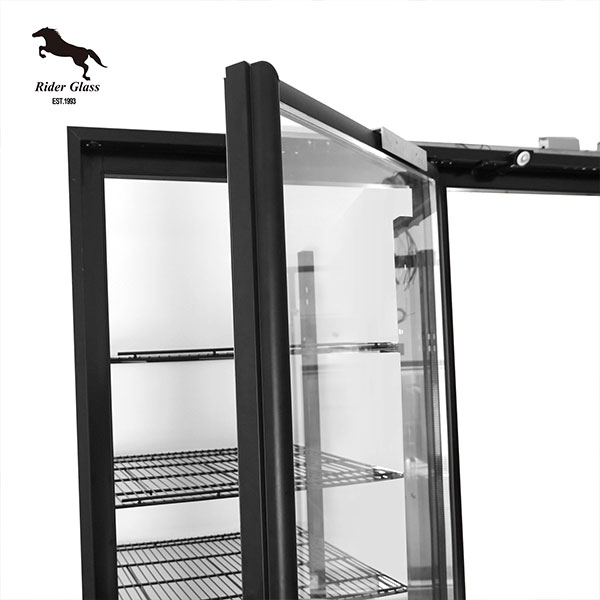
Tempered glass freezer doors are built around thermally strengthened safety glass designed for insulation and durability. In retail environments, they are commonly used in upright freezers, cold rooms, and beverage display cabinets.
Their structure typically includes:
- Double or triple tempered glass panels
- Argon gas filling for insulation stability
- Low-E coating for heat control
- Heated glass or frame systems for anti-fog performance
- Reinforced aluminum or insulated frame structure
In retail environments, tempered glass is often selected for core refrigeration equipment such as cold rooms and high-load glass door for freezer applications. The main advantage is system stability under continuous thermal cycling and frequent door opening conditions.
How do acrylic freezer doors differ in structure and function?
Acrylic freezer doors combine tempered glass layers with acrylic-based spacer or framing systems designed to enhance visual clarity inside the cabinet. These transparent acrylic cooler glass doors are commonly used in retail-facing cabinets and promotional refrigeration units.
Typical features include:
- Hybrid glass + acrylic structural design
- High transparency viewing effect
- Customizable branding and surface printing options
- Optional heating systems for condensation control
- Lightweight design flexibility for retail display systems
The main advantage of acrylic-based systems is visual performance. They reduce visual obstruction between layers and create a clearer product display effect under store lighting conditions. Compared with traditional systems, acrylic-based designs focus more on merchandising impact rather than pure insulation performance, making them suitable for front-facing glass display doors in retail environments.
Energy efficiency comparison: which performs better?
Energy efficiency remains a decisive factor in retail refrigeration.
Tempered glass systems generally provide stronger long-term efficiency because:
- Argon gas improves insulation stability
- Low-E coatings reduce infrared heat transfer
- Fully sealed structures maintain thermal consistency over time
Acrylic-based systems can also achieve acceptable insulation performance, but efficiency depends heavily on structural design and installation quality. In large supermarket chains, even minor efficiency differences can significantly affect operational costs across multiple units of vertical freezer glass door installations. For buyers evaluating freezer glass door for sale options, energy performance often becomes a key procurement benchmark.
Durability and lifecycle performance
Durability directly impacts the total cost of ownership in retail environments.
Tempered glass systems:
- High impact resistance under daily commercial use
- Strong thermal shock resistance
- Stable performance over long service cycles
- Low degradation in optical clarity
Acrylic-based systems:
- Designed for high-frequency retail operation
- Tested for long cycle durability (often 500,000+ openings)
- More sensitive to scratches if cleaning is not controlled
For long-term infrastructure-focused refrigeration, tempered glass remains more stable. For display-driven environments, acrylic systems remain competitive.
Visibility and merchandising performance
Retail performance is strongly linked to product visibility inside refrigerated cabinets.
Acrylic systems typically provide:
- Higher perceived transparency
- Reduced visual obstruction between layers
- Stronger merchandising impact under LED lighting
Tempered glass systems provide:
- Neutral and consistent optical clarity
- Strong performance with Low-E coatings
- More uniform appearance across large installations
If the goal is visual attraction and promotional display impact, acrylic systems often perform better. If consistency across hundreds of units is required, tempered glass performs more reliably.
Maintenance and cleaning behavior
Maintenance requirements differ significantly between the two systems.
Tempered glass:
- Compatible with standard industrial cleaning agents
- High resistance to surface wear
- Stable clarity over long cleaning cycles
Acrylic systems:
- Require controlled cleaning methods
- More sensitive to abrasive materials
- Need careful handling to avoid micro-scratches
For large retail chains operating multiple refrigeration units, tempered glass systems reduce long-term maintenance risk and service frequency across vertical freezer glass door applications.
Application suitability in retail environments
Selection depends on operational priorities:
Tempered glass freezer doors are more suitable for:
- Cold storage rooms
- High-load supermarket refrigeration
- Long-term vertical freezer glass door applications
Acrylic freezer doors are more suitable for:
- Front-end supermarket display freezers
- Promotional product zones
- Visual retail environments usingglass display doors
In many retail projects, both systems are used together to balance energy efficiency and display performance.
Transitional insight: balancing efficiency and display value
In everyday store management, you rarely just swap one material for another. Instead, smart owners blend both designs into one cohesive layout. Back-end storage typically relies on durable tempered systems, while customer-facing areas use acrylic-based designs such as transparent acrylic cooler glass doors to enhance visibility.
Using this mixed strategy helps shops keep power bills low. At the same time, it makes the food look fantastic right where shoppers walk. As cooling tech grows, planning the whole store layout matters much more than just picking a single material.
Conclusion
Tempered glass delivers stronger durability, energy stability, and long-term operational reliability, making it ideal for infrastructure-level vertical freezer glass door applications. Acrylic systems, including transparent acrylic cooler glass doors, prioritize visibility and merchandising impact for retail-facing environments.
A truly smart cooling plan uses both options. This approach perfectly balances smooth daily operations with high sales numbers.
As a global cooler glass door supplier, Rider Climax provides engineered solutions covering both technologies, ensuring optimized performance for energy efficiency, durability, and retail display requirements across global supermarket and cold-chain applications.
FAQ
What affects the price of tempered glass and acrylic freezer doors?
Pricing is influenced by glass structure, insulation type, heating system, frame material, and customization requirements such as size and branding. Acrylic systems may vary more due to design flexibility, while tempered glass systems are generally more stable for bulk procurement.
What is the MOQ for commercial freezer glass door orders?
MOQ depends on project requirements and customization level. Standard models usually support small trial orders, while large supermarket projects are produced in bulk after technical confirmation.
Can freezer doors be customized for supermarket refrigeration systems?
Yes, freezer doors can be customized in size, glass structure, frame color, handle design, heating options, and logo printing to match different supermarket layouts and branding requirements.
What after-sales support is available for freezer glass door systems?
Manufacturers typically provide technical support, installation guidance, and spare parts supply to ensure stable long-term operation and reduce maintenance downtime in retail environments.
What is the production lead time for freezer door systems?
Lead time varies based on specification complexity. Standard configurations require shorter production cycles, while customized designs with branding, heating systems, or special sizes require longer manufacturing time.
CTA
If you are evaluating refrigeration systems or sourcing a glass door for freezer solution for your retail project, Rider Climax can provide technical consultation, drawings, and quotation support. We provide customized solutions for retail refrigeration systems, including both tempered and acrylic door structures tailored to your application needs. Submit your project details or request a quotation.