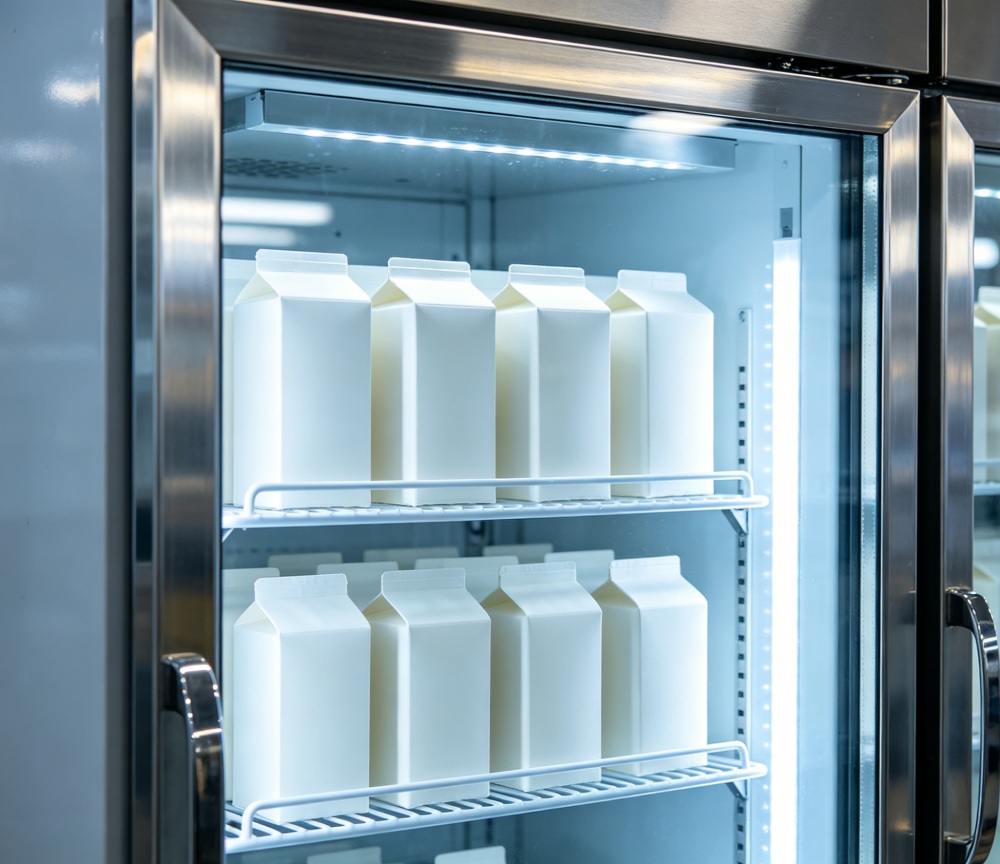
Bei Rider Climax konzentrieren wir uns auf die Entwicklung und Produktion zuverlässiger Glastüren für gewerbliche Kühlanlagen. Als vertrauenswürdiger Partner Lieferant von KühlraumglastürenWir wissen, dass das Dichtungssystem einer der wichtigsten Faktoren für langfristige Energieeffizienz, Antibeschlagwirkung und Langlebigkeit ist. Obwohl gehärtetes Glas, Low-E-Beschichtungen und argongefüllte Isolierglaseinheiten viel Beachtung finden, entscheidet oft die Dichtung darüber, ob eine Tür auch unter schwierigen Bedingungen über viele Jahre einwandfrei funktioniert.
Die Rolle von Dichtungsstreifen in energiesparenden Gefrierschrankglastüren verstehen
Dichtungsstreifen bilden eine dichte Barriere zwischen Tür und Gehäuse. In gewerblichen Kühlanlagen verhindern diese Streifen das Eindringen warmer, feuchter Luft und reduzieren gleichzeitig den Kälteverlust. Eine mangelhafte Abdichtung führt zu Kondensation, Frostbildung, längeren Kompressorlaufzeiten und höheren Energiekosten.
Unsere energiesparenden und beschlagfreien Gefrierschrank-Glastüren basieren auf fortschrittlicher Dichtungstechnologie. Diese Türen werden in Kühl- und Gefrierschränken eingesetzt. begehbare Kühlraum-GlastürenTüren von Kühlschränken und Glastüren von Gefriertruhen werden extremen Temperaturschwankungen ausgesetzt, von -30 °C in Gefrierschränken bis hin zu normaler Luftfeuchtigkeit in Wohnräumen, wodurch die Materialfestigkeit täglich auf die Probe gestellt wird.
Wichtige Materialeigenschaften für extreme Temperaturleistungen
Hochwertige Dichtungsmaterialien müssen ihre Elastizität über einen weiten Temperaturbereich beibehalten. Bei sehr niedrigen Temperaturen werden viele Standardgummis spröde und dichten nicht mehr richtig ab. Bessere Rezepturen, typischerweise auf Basis von EPDM (Ethylen-Propylen-Dien-Monomer), PVC-Mischungen oder speziellen thermoplastischen Elastomeren, bleiben selbst bei -40 °C und darunter flexibel.
Die Elastizitätserhaltung ist ein entscheidendes Messkriterium. Hochwertige Dichtungen behalten nach längerer Lagerung im Gefrierschrank oft mehr als 85–90 % ihrer ursprünglichen Druckverformung. Diese Beständigkeit sorgt für einen gleichmäßigen Anpressdruck und verhindert das Eindringen von Feuchtigkeit. Minderwertige Materialien hingegen können eine Elastizitätserhaltung von unter 60 % aufweisen und dadurch frühzeitig Probleme verursachen.
Wir verwenden diese widerstandsfähigen Verbindungen in unserer vertikalen Gefrierschrank Glastüren und Glastüren für gewerbliche Kühlgeräte. Diese Wahl trägt zu einem zuverlässigen Service für Einzelhändler, Supermärkte und Kühlkettenunternehmen bei.
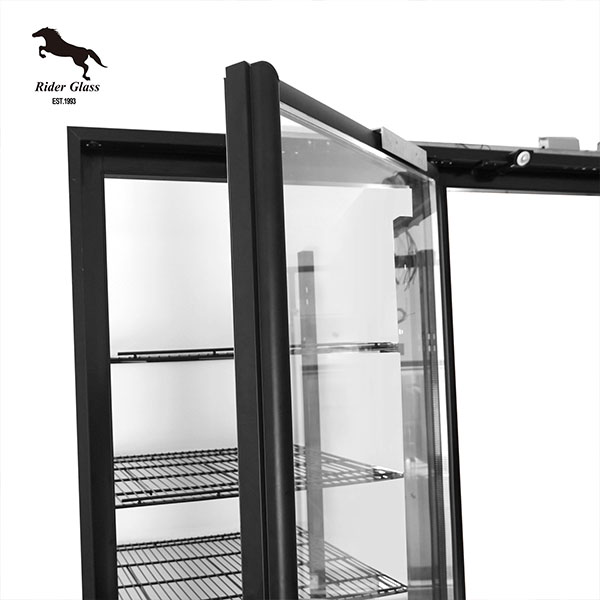
Anti-Aging-Eigenschaften und lange Dichtungslebensdauer
Dichtungsstreifen altern aufgrund verschiedener Prozesse, darunter thermische Oxidation, gelegentliche UV-Strahlung, Ozonwirkung und Kontakt mit Reinigungsmitteln. Hochwertige Rezepturen enthalten Antioxidantien, Stabilisatoren und ausgewogene Polymermischungen, um diesen Einflüssen wirksam entgegenzuwirken.
Beispielsweise bieten moderne EPDM-Verbindungen, die mit Peroxid statt Schwefel gehärtet werden, eine verbesserte Beständigkeit gegen Hitze und Oxidation. Solche Materialien weisen nach Tests, die 10 bis 15 Jahre realen Einsatz simulieren, nur eine geringe Zunahme der Härte oder Oberflächenrisse auf. Diese Verbesserung verlängert die Lebensdauer von Isolierglaseinheiten und kompletten Türsystemen.
Technische Informationen zur Lebensdauer von Isolierglasdichtungen verdeutlichen, wie die Wahl des Dichtmittels, die Konstruktion (einfache oder doppelte Dichtung), die Abstandhaltertechnologie und die Qualität des Trockenmittels zusammenwirken. Dieselben Prinzipien gelten für Türdichtungen. Reaktive Schmelzklebstoffe können zusammen mit Hochleistungselastomeren unter optimalen Bedingungen Dichtungslebensdauern von über 60 Jahren erreichen. Dies wird durch die Reduzierung der Wasserdampfdiffusion und den Erhalt der strukturellen Festigkeit erreicht.
Bei Rider Climax wählen und prüfen wir Dichtungsmaterialien sorgfältig. Dadurch stellen wir sicher, dass unsere Glastüren für Vitrinen, Kühlgeräte und Kühlzellen verschleißfest sind und gleichzeitig über lange Zeiträume hinweg ihre Antibeschlageigenschaften und Energieeffizienz beibehalten.
Wie die Rezeptur die Versiegelungslebensdauer bestimmt
Die Herstellung eines wirksamen Dichtungsstreifens erfordert exakte wissenschaftliche Kenntnisse. Die Wahl des Basispolymers bildet die Grundlage:
- EPDMBietet hervorragende Beständigkeit gegenüber Witterungseinflüssen, Ozon und Temperaturschwankungen. Es eignet sich besonders gut für den Einsatz im Freien oder bei hoher Luftfeuchtigkeit.
- PVC-basierte Verbindungen: Bietet hohe Flexibilität und angemessene Kosten für Standard-Kühleranwendungen.
- Spezial-TPEs (Thermoplastische Elastomere): Vereint gummiartige Flexibilität mit einfacherer Verarbeitung und liefert gleichzeitig hervorragende Ergebnisse bei niedrigen Temperaturen.
Additive spielen weiterhin eine ebenso wichtige Rolle. Weichmacher tragen zur Flexibilität bei Kälte bei, und Füllstoffe verbessern die mechanische Festigkeit. UV-Stabilisatoren und Antioxidantien verhindern den molekularen Abbau und die übermäßige Vernetzung, die zu Sprödigkeit führen. Magnetische Einsätze, die häufig in unseren Konstruktionen vorkommen, benötigen kompatible Verbindungen, die die magnetischen Eigenschaften dauerhaft erhalten.
Wir optimieren die Mischungsverhältnisse durch umfassende Tests. Dazu gehören Druckverformungsprüfungen bei extremen Temperaturen, beschleunigte Bewitterungstests und Zyklentests mit über 500.000 Öffnungs- und Schließvorgängen bei bestimmten Acrylglas-Gefrierschranktüren. Diese Rezepturen beeinflussen die Argon-Retention im Isolierglas, die Taupunktstabilität und die Gesamtenergieeffizienz.
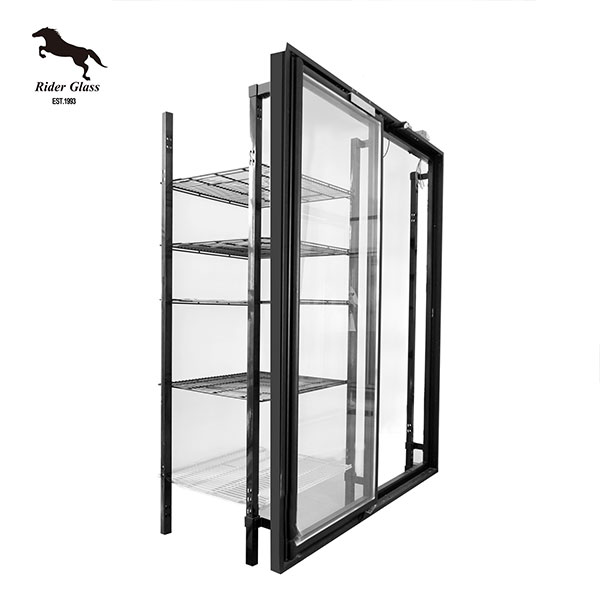
Integration mit Isolierglas- und Türsystemen
Unsere Türen kombinieren in der Regel hochdichte Dichtungen mit doppelt oder dreifach gehärtetem, argongefülltem Glas, Low-E-Beschichtungen und beheizten Glasflächen. Dieses umfassende Verfahren verstärkt die Vorteile hochwertiger Dichtungsstreifen. Bei Gefrierschranktüren und -türen beispielsweise verhindert die Dichtung in Kombination mit der Rahmenheizung die Kondensation in stark frequentierten Verkaufsbereichen mit hoher Luftfeuchtigkeit.
Diese Prinzipien wenden wir auch auf Isolierglasscheiben an und setzen sie bei Sonderanfertigungen ein. Das Ergebnis ist eine gleichmäßige Wärmeleistung im gesamten Kältesystem.
Praktische Vorteile für kommerzielle Anwendungen
Unternehmen, die sich für unsere energieeffizienten Türlösungen entscheiden, profitieren oft von einem geringeren Energieverbrauch, weniger Wartungseinsätzen aufgrund von Enteisungs- oder Beschlagproblemen und einer besseren Sicht auf ihre Produkte. Dieser Vorteil ist besonders wichtig für Glasvitrinentüren in Supermärkten, Convenience-Stores und Verkaufsautomaten, wo Kunden den Inhalt gut erkennen müssen.
Aufruf zur Aktion
Sie möchten Ihre Kühlsysteme mit robusten, leistungsstarken Glastüren optimieren? Kontaktieren Sie noch heute das Team von Rider Climax. Ob Sie maßgefertigte Glastüren für Kühlräume, Kühlregale oder spezielle Glastüren für Gefriertruhen benötigen – unsere Experten beraten Sie gerne und finden die passende Lösung für Ihre individuellen Maße, das lokale Klima und Ihre Leistungsanforderungen. Besuchen Sie unsere Kontaktseite oder senden Sie eine E-Mail an [E-Mail-Adresse einfügen]. sales@riderclimax.com um die Diskussion über Ihr nächstes Projekt zu eröffnen.
FAQ (häufig gestellte Fragen)
Warum ist eine hochwertige Dichtungsleiste für Gefrierschrankglastüren unerlässlich?
Die hervorragende Elastizität und die Anti-Aging-Eigenschaften verhindern Luftlecks, Kondensation und Energieverluste bei extremen Temperaturen und verlängern so die Lebensdauer Ihrer energiesparenden Gefrierschrank-Glastüren.
Wie beeinflussen Dichtungsmittel die Langzeitleistung?
Durch den Einsatz fortschrittlicher Polymermischungen und Additive bleiben Flexibilität und Dichtungskraft über Jahrzehnte erhalten, was sich direkt auf die Argonretention, die Antibeschlagwirkung und die Gesamteffizienz von Glastüren in gewerblichen Kühlhäusern auswirkt.
Stellen Sie Dichtungen individuell für spezifische Anwendungen her?
Ja. Als erfahrener Lieferant von Kühlraumglastüren fertigen wir maßgeschneiderte Dichtungslösungen für stehende Kühlschranktüren, vertikale Gefrierschrankglastüren und andere Konfigurationen, die zu Ihrem Schrankdesign und Ihrer Betriebsumgebung passen.
Welchen Temperaturbereich vertragen Ihre Dichtungen?
Unsere Materialien funktionieren zuverlässig von -30°C (und darunter) bis hin zu Umgebungsbedingungen und gewährleisten so einen zuverlässigen Betrieb in Kühl- und Gefrierschränken.