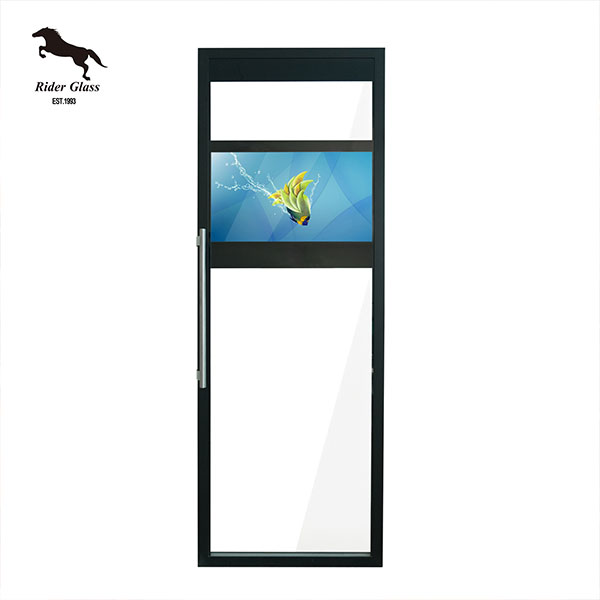
In der hart umkämpften Welt des Lebensmittelhandels und der Kühlkettenlogistik entscheidet oft nur eine dünne Gummidichtung und ein Magnetstreifen über Gewinn oder Verlust. Hochleistungsglas ist zwar unerlässlich, doch selbst die modernste energiesparende Gefrierschranktür ist nur so gut wie die Dichtung, die die Kälte im Inneren hält. Wir bei Rider Glass arbeiten seit über 30 Jahren daran, die perfekte Kombination aus hochwertigem Glas und präziser Abdichtung zu entwickeln, um unseren Partnern weltweit zu helfen, Kosten zu senken.
Die versteckten Kosten von Dichtungsfehlern in der gewerblichen Kältetechnik
Für ein Lieferant von KühlraumglastürenDas Hauptproblem besteht nicht nur darin, den Inhalt kühl zu halten, sondern auch darin, zu verhindern, dass die teure, kalte Luft in die Umgebung entweicht. Schon ein kleiner Spalt am Türrand kann einen Kamineffekt auslösen. In diesem Fall sinkt kalte Luft unten nach außen, während gleichzeitig warme, feuchte Luft von oben nachströmt.
Solche Leckagen führen zu einem erhöhten Kompressorverbrauch. Dadurch verschleißen die Geräte vorzeitig. Auch die Energiekosten steigen stark an. Zudem bringt die einströmende Luft Feuchtigkeit mit sich. Dies führt zu Wassertropfen auf den Glasscheiben und Eis an den Verdampferschlangen. Durch den Einsatz einer magnetischen Türdichtung für Kühlschränke zur Steigerung der Energieeffizienz können Betreiber die Wärmedämmung ihrer Geräte erhalten. So gewährleisten sie Lebensmittelsicherheit und freie Sicht für die Kunden.
Was ist eine Magnetdichtung für gewerbliche Gefrierschranktüren?
Eine Magnetdichtung für gewerbliche Gefrierschranktüren ist eine individuell angefertigte, mehrteilige Dichtungskonstruktion. Im Gegensatz zu einfachen mechanischen Verschlüssen verwendet diese Dichtung einen biegsamen Faltenbalg – üblicherweise aus robustem PVC oder EPDM gefertigt – mit einem langlebigen Magnetstreifen im Inneren.
Wenn die Tür sich dem Metallrahmen nähert, zieht die magnetische Anziehungskraft die Dichtung fest und gleichmäßig an die gesamte Kante an. Dadurch entsteht eine dynamische Dichtung. Sie passt sich Druckveränderungen und leichten Rahmenbewegungen an, wie sie in stark frequentierten Bereichen üblich sind. Bei Anwendungen mit Gefrierschrankglastüren müssen diese Materialien auch bei Temperaturen bis zu -30 °C flexibel bleiben. So wird verhindert, dass sie brechen oder ihre Rückstellkraft verlieren.
Warum magnetische Versiegelung für Energieeffizienz unerlässlich ist
Die Kombination von Magnetdichtungen mit Isolierglastechnologien ist ein wichtiger Schritt hin zu mehr Umweltfreundlichkeit. Eine zuverlässige Dichtung bildet die letzte Verteidigungslinie eines Wärmeregulierungssystems. Dieses System verfügt über Low-E-Beschichtungen und Argonfüllungen.
Vergleich der Dichtungsmethoden und deren Auswirkungen auf die Effizienz
Durch die luftdichte Abdichtung harmoniert die Magnetdichtung perfekt mit unserer Antibeschlag-Technologie für Gefrierglastüren. So bleibt die Sicht durch den Innenraum klar und scharf. Und das ganz ohne übermäßige Wärmeentwicklung durch elektrische Abtauvorrichtungen.
Die physikalischen Prinzipien der Kompressionsdichtung
Die Wirksamkeit einer Magnetdichtung beruht auf dem Prinzip der elastischen Kompression. Beim Kontakt der Magnete drücken die Faltenbälge der Dichtung leicht zusammen. Diese Kompression gleicht mit der Zeit kleinere Ungenauigkeiten der Tür oder Verschleiß an den Scharnieren aus.
In GlasvitrinentürenHier zählt neben der Leistung auch die Optik. Durch das spezielle Pressverfahren wird eine glatte, gleichmäßige Oberfläche gewährleistet. Große mechanische Griffe zum Verschließen sind nicht nötig. Die Dichtung bleibt selbst nach über 500.000 Öffnungs- und Schließzyklen, denen unsere Produkte in anspruchsvollen Tests standhalten, zuverlässig.
Magnetische Haltekraft und Selbstschließfunktion
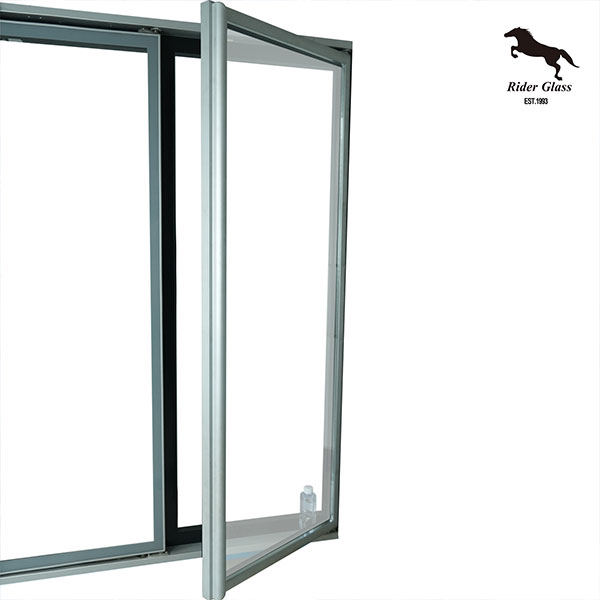
Eine große Gefahr im Laden besteht darin, dass eine Tür nur einen Spalt offen steht. Magnetdichtungen bieten hier eine entscheidende Hilfe: den automatischen Schließmechanismus. Sobald die Tür fast geschlossen ist, zieht der Magnet die Tür vollständig zu. So wird eine lückenlose Abdichtung ohne jegliches Zutun des Benutzers gewährleistet.
Diese Funktion ist besonders wichtig für Kühlschranktüren und Getränkekühler mit Glastüren. Kunden öffnen sie oft, um sich umzusehen. Die Haltekraft ist so eingestellt, dass sie dem Druck im Inneren standhält, aber gleichzeitig ein einfaches und benutzerfreundliches Öffnen ermöglicht.
Schaffung einer luftdichten Barriere zur Wärmeregulierung
Eine wirklich luftdichte Abdichtung bewirkt mehr als nur eine Reduzierung des Energieverbrauchs. Sie hält auch den Druck im Inneren des Gehäuses konstant. Dies ist aus mehreren Gründen wichtig:
- Feuchtigkeitsregulierung:Es verhindert das Eindringen feuchter Luft und damit verbundene Eisbildungsprobleme.
- Temperaturstabilität:Es sorgt dafür, dass empfindliche Güter wie Medikamente oder edle Getränke in einem engen Temperaturbereich bleiben.
- Akustischer Komfort:Eine gute Abdichtung dämpft auch Geräusche. Sie reduziert das Brummen des Kühlgeräts in ruhigen Ladenbereichen.
Anwendungsbereiche in gewerblichen Kühlsystemen
Die derzeitigen Dichtungsoptionen decken nicht alle Anforderungen ab. Unterschiedliche Konfigurationen erfordern unterschiedliche Dichtungsformen:
- Türen von aufrechten Kühlschränken:Sie betonen die dauerhafte Festigkeit für häufigen Gebrauch und die schnelle magnetische Anziehungskraft.
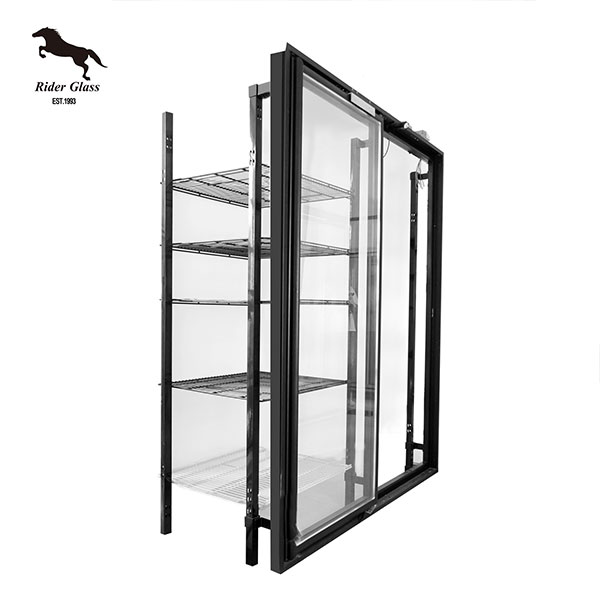
- Gefriertruhe mit Glastür:Diese verwenden häufig verschiebbare Magnetbahnen oder hochklappbare Dichtungen. Die Konstruktion verhindert ein Festkleben auch bei sehr niedrigen Temperaturen.
- Begehbare Kühlraumtüren aus Glas:Sie fordern robuste, mehrlagige Dichtungen für größere Flächen und stärkere Druckspalte.
Nachhaltigkeit und Reduzierung der Betriebskosten
Durch die Verringerung der Wärmebelastung des Kompressors reduzieren Magnetdichtungen den CO₂-Ausstoß eines Ladengeschäfts. Für einen Supermarkt mit vielen GlasvitrinentürenDie gesamten Energieeinsparungen können sich auf Tausende von Dollar pro Jahr summieren. Wir verwenden sichere, umweltfreundliche Materialien wie PVC, die strengen Hygienevorschriften entsprechen. Gleichzeitig gewährleisten sie eine dauerhafte Bauqualität.
Die richtige Dichtung für Ihre OEM- oder Ersatzteilanforderungen auswählen
Bei der Auswahl einer Dichtung sollten Sie die magnetische Stärke (gemessen in Gauß) und die Festigkeit des Materials bei Kälte berücksichtigen. Rider Glass bietet maßgeschneiderte Lösungen – von Größenanpassungen bis hin zur exakten Rahmenanpassung für Ihre bestehende Konfiguration.
Bewährte Wartungsmethoden für eine lange Lebensdauer von Dichtungen
Um Dichtungsschäden zu vermeiden, empfehlen wir Folgendes:
- Regelmäßige Reinigung:Entfernen Sie Zucker und Verunreinigungen, die dazu führen könnten, dass die Dichtung klemmt und reißt.
- Sichtprüfung:Achten Sie auf „Wellen“ oder Lücken, wo sich der Magnetstreifen möglicherweise verschoben hat.
- Temperaturkontrollen:Prüfen Sie, ob die Rahmenheizung ordnungsgemäß funktioniert. Eisbildung kann die Dichtung beschädigen.
Zukunftstrends in der Dichtungstechnologie
Die nächste Generation von Dichtungstechnologien setzt auf fortschrittliche Materialien. Beispielsweise bietet TPE (thermoplastisches Elastomer) bessere Recyclingmöglichkeiten und höhere Hitzebeständigkeit. Wir testen außerdem Möglichkeiten, LED-Leuchten direkt in den Dichtungsbereich zu integrieren. So verbinden wir Markenattraktivität mit zuverlässiger Isolierung.
Schlussfolgerung
Eine magnetische Türdichtung ist ein winziges Bauteil mit enormer Bedeutung. Sie senkt unauffällig Ihre Energiekosten und schützt die Qualität Ihrer Waren. Durch die Kombination von erstklassigem Glas mit präzise gefertigten Magnetdichtungen stellen wir sicher, dass Ihre Kühlsysteme jahrelang optimale Leistung erbringen.
Sind Sie bereit, Ihre Kühlleistung zu optimieren? Nehmen Sie jetzt Kontakt mit unserem kompetenten Team auf, um mit uns über maßgeschneiderte Glas- und Dichtungslösungen zu sprechen, die den Anforderungen Ihrer Marke entsprechen.
Häufig gestellte Fragen
Woran erkenne ich, ob die Dichtung meiner Gefrierschranktür erneuert werden muss?
Wenn Sie im Inneren des Geräts klare Eisbildung feststellen, Wasser an der Außenseite des Glases sehen oder die Tür nicht mehr richtig schließt, ist wahrscheinlich die Magnetdichtung verschlissen. Sie können dies überprüfen, indem Sie ein dünnes Blatt Papier zwischen Dichtung und Rahmen schieben. Lässt es sich widerstandslos herausziehen, muss die Dichtung repariert werden.
Kann ich Dichtungen in Sondergrößen für die Glastüren meines Kühlraums bekommen?
Ja. Wir sind auf flexible Größenanpassungen spezialisiert. Egal, ob Sie Erstausrüster sind oder einen präzisen Ersatz suchen – wir fertigen Dichtungen und Glasteile nach Ihren exakten Millimetermaßen für eine perfekte Passform.
Wie hoch ist die typische Lebensdauer einer Magnetdichtung in einem stark frequentierten Einzelhandelsumfeld?
Unsere Dichtungen sind auf hohe Belastbarkeit ausgelegt und werden entsprechend geprüft. Sie erreichen oft mehr als 500.000 Öffnungs- und Schließzyklen. In einem typischen Büroumfeld sollte eine solide Magnetdichtung 3 bis 5 Jahre halten. Dies hängt von der Wartung und Reinigung ab.
Sind die Dichtungen an den Glastüren Ihrer energiesparenden Gefrierschränke bereits vorinstalliert?
Wir bieten Ihnen einen Komplettservice für die Montage. Viele unserer Kunden schätzen die vormontierten Glastüren mit Magnetdichtungen, Griffen und Scharnieren. Diese sofort einsatzbereite Lösung spart Ihnen Zeit und Kosten bei der Installation.
Wie viel Energie kann ich realistischerweise durch den Einbau besserer Dichtungen einsparen?
Die Einsparungen variieren je nach Gerätealter. Der Austausch einer beschädigten oder nichtmagnetischen Dichtung gegen eine effiziente magnetische Dichtung kann den Kaltluftverlust jedoch um bis zu 25–30 % reduzieren. Dies führt direkt zu einer geringeren Belastung Ihres Kompressors und einer spürbaren Energieeinsparung.