In the tough world of business cooling systems, the glass door does much more than block air. It acts as a key link between goods and buyers. For grocery stores, quick shops, and flower outlets, clear sight through this link affects buying a lot. When water drops or ice cover the sight, it builds a “see-through block” that annoys shoppers. It also raises running expenses. To hit the right mix of clear view, heat block, and simple handling, smart design is needed. This piece looks at the main rules for top-notch freezer glass doors. It also covers how new tech changes the work of today’s cold hold areas.

The Four Pillars of High-Quality Freezer Glass Doors
To check how well a business glass door works, go past the looks. High-quality freezer glass doors need to fill four basic needs. This way, they help both the shop owner and the final buyer.
- Permanent Anti-Fog and Anti-Condensation Performance: In damp spots, opening a freezer door lets in warm, wet air. That air turns to water right away on the cold glass. Without good anti-fog tech, this water makes a lasting haze. It hides the stock from view.
- Superior Thermal Insulation: The door has to work as a heat guard. Shops often use multi-layer glass setups, like a triple-layer insulated glass freezer door. The spaces in between get filled with gases that do not react, such as argon. This cuts down the heat move.
- Maximum Energy Efficiency: The door goes beyond just cooling items. It needs to ease the job of the cooling unit. This means adding Low-E (low-emissivity) layers and smart frames that stop heat leaks.
- Ergonomic and Reliable Operation: Business doors face hundreds of thousands of opens and shuts. They should open with little effort. They need a bendable stay-open option for filling shelves. Plus, they must shut off on their own to avoid energy waste.
Why Standards Matter: The Impact on Retail Success
These rules hold great weight for supermarket freezer glass doors. When haze blocks the view, the “look and shop” feel goes away. If a buyer cannot spot the label or cost well, they may skip the buy. Also, a weak heat block causes temp changes. That can harm food safety. It shortens the hold time for fresh items too.
From a daily run view, a door that misses these rules costs money. Ice build-up not only hinders sight. It makes the cooling setup run more and harder. This leads to bigger power bills. It also causes early breakdowns in gear. New tech is the sole path to meet these hard needs. At the same time, it keeps a clean, up-to-date shop setup.
Technical Innovations in Anti-Fog and Thermal Management
We added a few cutting-edge tools to our goods range to fix these issues. By looking at glass build science and frame strength, we make sure our fixes beat common trade marks.
Advanced Insulated Glass Structures
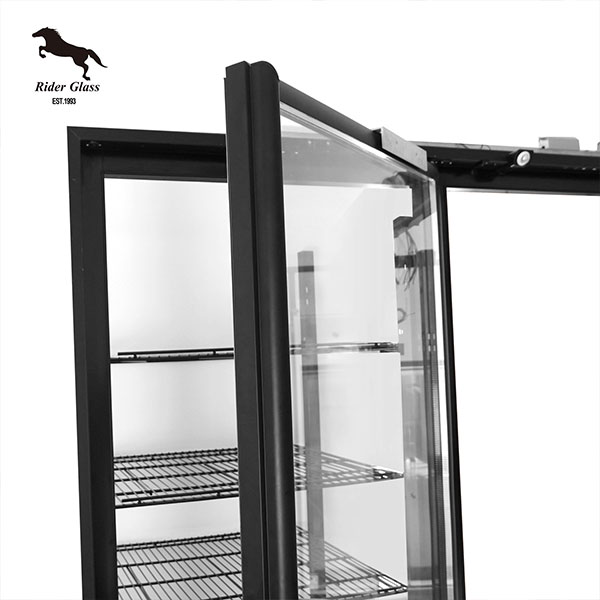
The heart of our heat work comes from double and triple-glazed setups. With a triple-layer insulated glass freezer door, we make two clear rooms of argon gas. Argon beats air in thickness. So, it gives much better block against heat. This build is key for pull-in and step-in freezers. There, the temp gap between inside and the shop floor is very wide.
Low-E Coating Technology
Our pick of Low-E (low-emissivity) glass changes how we save power. This tiny metal layer aims to bounce back long heat waves. In cold times, it holds heat in. For a business freezer, it pushes store heat away from the cool inside. This keeps good light pass-through. At the same time, it cuts the heat gain from the sun a lot.
Dual-Action Anti-Fog Solutions
To fight water build-up, we use two main ways. First, we add glass warm-up parts. A see-through lead layer in the glass gives soft, steady heat. It keeps the face temp over the wet point. For spots where power use must stay very low, we give choice anti-fog sheets. These push away water on their own. No power is needed.
High-Efficiency Frame Materials
Old metal frames last long, but they can get wet from high heat pass. We brought in fiber-mix door frames. Fiber acts as a top block for heat. It cuts power use by more than 25% over usual frames. This new step stops ice on the frame. It also keeps the door simple to use in below-zero temps.
Specialized Solutions for Diverse Commercial Needs
Each shop setup has its own wants. Our set of items has special plans that fit certain looks and jobs:
Acrylic Spacer Technology: For top sight impact, our acrylic freezer glass doors use clear spacer bars. This cuts the “metal edge” style. It gives a smooth, full, clear look at goods.
LED Integration: Our machine sale glass doors can add bright LED screens in the heat-block glass parts. This turns a work door into a live ad spot.
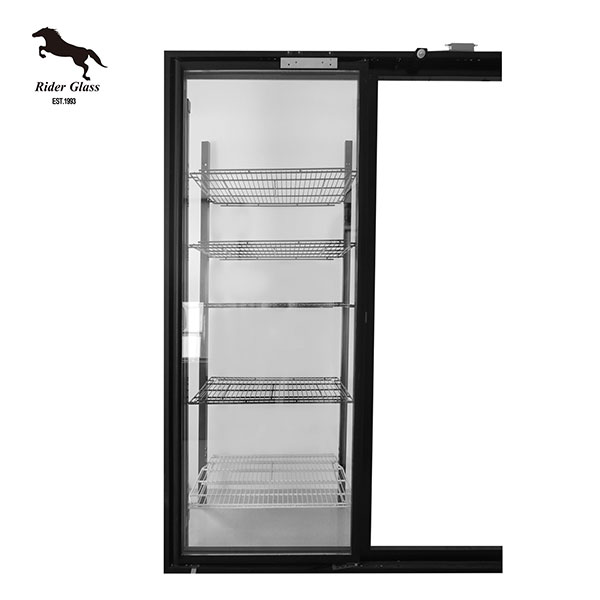
Ergonomics and Durability: We know a door moves a lot. Our items undergo strict tests for over 300,000 open/shut times. Parts like the 90° stay-open work and switch hinges make them fit any shop plan.
Call to Action: Partner with the Experts in Commercial Glass Solutions
Do you want to update your shop shows or improve your cold line work? As a top ODM/OEM maker, we supply custom, strong glass door fixes for pull-in chillers, step-in freezers, and sale machines. Our group is set to aid you in picking the best mix of anti-fog tech, Low-E layers, and power-cut frames for your job wants. Reach out now to talk specs and get a full price for your next business cooling plan.
FAQ
Q: What is the benefit of a triple-layer insulated glass freezer door over a double-layer one?
A: Triple-layered glass adds an extra layer of insulation and a second argon-filled gap, which significantly reduces heat transfer and prevents condensation in extreme temperature environments, such as deep-freeze units.
Q: Can these glass doors be customized for specific brands?
A: Yes. We offer comprehensive customization options, including silk-screened logos, custom colors, and various handle styles to ensure the doors align with your brand identity.
Q: Are heated glass doors expensive to operate?
A: While they use electricity, modern heated glass is highly efficient and often only operates when sensors detect high humidity. Furthermore, the energy saved by preventing frost buildup and keeping the unit sealed often offsets the cost of the heating element.