
Introduction
As a skilled cooler glass door supplier, Rider Climax sees that cooler uses and freezer uses demand quite distinct standards for heat performance. A door setup built for a beverage cooler might break down soon in a freezer setting. This occurs if the glass arrangement, heating setup, and insulation build do not match well.
For chains of supermarkets, drink companies, cold storage managers, and makers of OEM refrigeration gear, picking the proper insulated cooler glass door stands as a key business choice.
Understanding the Difference Between Cooler and Freezer Requirements
Business coolers and freezers run in quite varied temperature and moisture settings. Such differences shape the needed glass build directly.
| Application Type | Typical Temperature | Recommended Glass Structure | Main Challenge |
| Beverage Cooler | 0°C to 10°C | Double-layer insulated glass | Condensation |
| Upright Freezer | -18°C to -25°C | Triple-layer insulated glass | Frost and heat transfer |
| Chest Freezer | -30°C to -18°C | Triple-layer Low-E glass | Energy loss |
| Walk-in Cold Room | -25°C to 5°C | Heated insulated glass | Fogging and durability |
For refrigeration gear that works above freezing points, double-layer insulated glass door often proves enough. However, freezer uses call for better heat protection. The reason lies in the larger gap in temperature between the unit inside and the outside air.
That explains why numerous business freezer setups employ triple toughened glass with argon gas fill. The extra glass space cuts heat movement a great deal. As a result, it boosts energy savings.
When Double-Layer Glass Doors Are the Right Choice
Applications for Refrigerated Merchandising
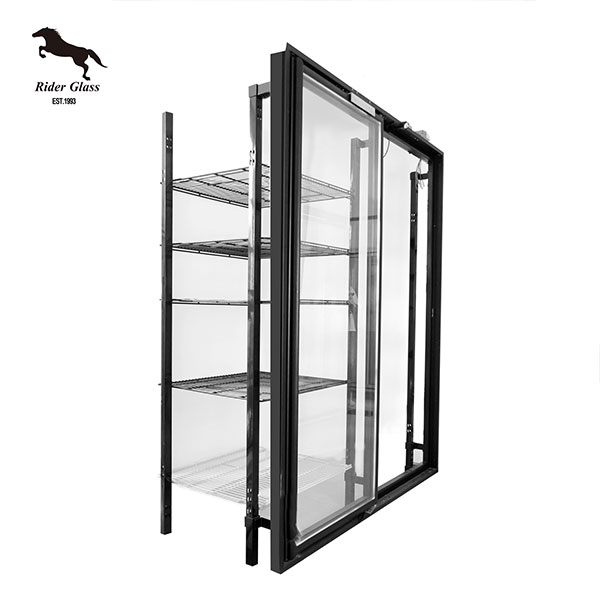
Double-layer insulated glass finds broad use in beverage coolers, dairy units, fresh food cases, and business refrigerators.
These uses place emphasis on:
- Clear product visibility
- Stable refrigeration temperatures
- Lower equipment weight
- Cost-efficient operation
For plenty of retail outlets, upright refrigerator doors with double-layer insulated toughened glass offer the best mix of output and spending cost.
Advantages of Double Tempered Glass
The chief gains cover:
- Good thermal insulation for medium-temperature refrigeration
- Lower overall cabinet weight
- Better light transmission
- Reduced manufacturing cost
- Easier installation and maintenance
Lots of current refrigeration systems now add Low-E layers to double-glass builds. Low-E glass bounces back infrared heat. Yet it keeps strong clarity. Thus, it eases the load on compressors and cuts power use.
Energy Efficiency Performance
Studies in the commercial refrigeration field show that insulated Low-E glass doors cut refrigeration energy use by about 20% to 35%. This compares to old single-glass doors.
In our work, clients who switch from basic glass to insulated glass setups often share:
- Lower electricity bills
- More stable cabinet temperatures
- Reduced compressor cycling
- Improved product display appearance
Such changes matter a lot for small shops and drink sellers. They run refrigeration gear around the clock.
Why Triple-Layer Glass Is Essential for Freezers
Stronger Thermal Insulation for Frozen Storage
Freezer uses deal with far tougher running settings. When the inner temperature hits -25°C and the shop air stays over 25°C, the heat strain on the glass door grows very strong.
An energy-saving freezer glass door with triple-layer insulated toughened glass forms several heat blocks. These cut heat swap by a large margin.
Triple-glass setups generally hold:
- Three layers of tempered safety glass
- Argon gas-filled cavities
- Low-E coatings
- Heated glass technology
- Heated frame systems
This build limits frost buildup. At the same time, it improves energy savings over time.
Argon gas carries less heat flow than plain air. Filling insulated glass spaces with argon improves heat protection. It does so without raising the door bulk much.
Better Performance in High-Humidity Environments
In supermarkets and small shops, moisture levels often shift. This comes from shopper flow and repeated door use. Basic insulated glass can soon show fog or frost in these spots.
Triple insulated setups keep a sharper sight for frozen food sales. They also guard refrigeration output.
This holds special weight for:
- Frozen food islands
- Ice cream freezers
- Seafood freezers
- Commercial kitchen freezers
- Pharmaceutical cold storage
The Importance of Anti-Fog Technology
Why Fogging Happens
Moisture builds when warm, damp air meets a cool glass face. In freezer uses, this problem worsens a lot. The temperature spread stands larger.
Weak sight impacts:
- Product presentation
- Customer shopping experience
- Retail sales performance
- Brand image
That is why many business refrigeration systems now turn to anti-fog freeze glass door methods.
Heated Glass and Frame Heating Systems
Current freezer glass doors often blend:
- Electrically heated glass
- Heated aluminum frames
- Anti-condensation coatings
- Anti-fog films
These setups hold clear sight even in damp shop settings.
In our freezer door work, electrically heated glass boosts running steadiness a great deal. It also cuts upkeep from moisture buildup.
How Insulated Glass Improves Energy Savings
Comparing Energy Performance
| Door Type | Relative Energy Consumption | Condensation Resistance | Recommended Use |
| Single Glass | High | Low | Not recommended |
| Double-layer Insulated Glass | Medium | Good | Coolers |
| Triple-layer Insulated Glass | Low | Excellent | Freezers |
Business refrigeration systems run without stopping. So even minor gains in heat output can yield large savings over time.
Field data reveals that energy-smart insulated glass doors can drop refrigeration energy costs by over 25% in freezer uses.
What Buyers Should Look for in a Cooler Glass Door Supplier
For makers of OEM gear and refrigeration marks, picking a supplier shapes gear quality, delivery times, and follow-up steadiness.
When checking a cooler glass door supplier, we suggest stressing:
- Tempered glass certifications
- Insulated glass production capability
- Heating technology integration
- Customization flexibility
- Export experience
- Quality control systems
World certifications like CE, SGCC, and AS/NZS mark signs of making steadiness.
Steady output proves vital for big refrigeration work.
Conclusion
Picking between double-layer and triple-layer refrigeration glass doors hinges on the real running setting, energy-saving aims, and product display needs.
For refrigeration uses like beverage coolers and fresh food cases, double-layer insulated glass yields fine sight and strong output. For freezer systems at below-zero points, triple-layer insulated heated glass gives top heat protection, anti-fog guard, and lower running costs.
As business refrigeration keeps heading to greater energy savings and sharper sales, insulated glass methods will hold a larger spot in gear output and lasting use.
As a seasoned world maker, Rider Climax keeps building tailored refrigeration glass door setups. These aid our partners in bettering energy savings, product sight, and lasting steadiness across business cooling and freezing uses.
FAQ
How do I choose between double-layer and triple-layer glass doors?
Double-layer insulated glass often fits refrigeration uses above 0°C. Examples include beverage coolers and dairy units. Triple-layer insulated glass suits freezer uses below -18°C. It offers firmer heat protection and stronger anti-fog output.
Can you provide customized sizes and logo printing?
Yes. We offer tailored sizes, frame shades, handle picks, silk-screen logos, LED blends, and door setups for makers of OEM refrigeration gear and business work.
What is the lead time for bulk orders?
Lead times vary by product details and order size. Standard types often need 3 to 5 weeks. Tailored work may call for extra making time.
Do your freezer doors support anti-fog heating systems?
Yes. Our anti-fog freeze glass door systems use electrically heated glass, heated frames, and anti-moisture methods. These suit high-dampness business settings.
What after-sales support do you provide?
We offer technical aid, setup tips, part swap help, and quality check papers for world clients and OEM partners.